
Industry urges Ottawa to slash red tape as massive power gap looms
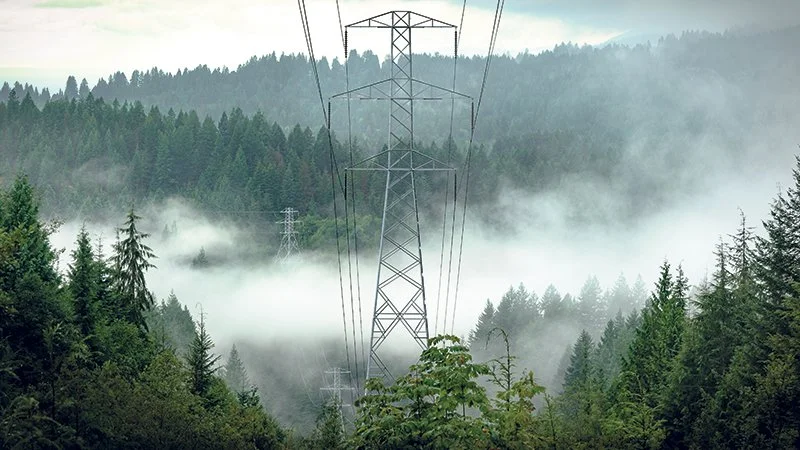
New nuclear projects have also been proposed for Alberta, Saskatchewan and New Brunswick. andrew sommerfeld via getty images
Canada’s nuclear sector is calling for immediate federal and provincial action to overhaul regulatory processes and clarify financing, warning that bureaucratic delays could derail the massive energy expansion needed to meet national climate goals.
A recent study commissioned by the Canadian Nuclear Association (CNA) highlighted an urgent need for 115 gigawatts (GW) of new non-emitting baseload power by mid-century – more than twice the country’s existing combined nuclear and hydro capacity.
The unprecedented demand is driven by aggressive electrification, soaring industrial loads and the rapid adoption of digital technologies like artificial intelligence, which are forcing provinces to double, and in some cases triple, their energy capacity.
“These planned and signalled projects need effective policies to go ahead,” says CNA’s president and CEO, George Christidis, pointing to projects already underway, including the refurbishment of Ontario’s CANDU fleet and the construction of the first Small Modular Reactor (SMR) in the G7 at the Darlington site.
Mr. Christidis says while projects like the Bruce Power expansion, which will add 4,800 megawatts, and new SMR considerations in Saskatchewan and Alberta demonstrate industry commitment, they are stymied by inefficiencies.
“If there are opportunities to make our regulatory process more efficient, we should take them so that we can build projects on time and on budget,”, he adds, citing the UK’s recent Nuclear Regulatory Review as a model for creating clearer, predictable timelines that help secure investment.
There is also an urgent need for the government to clarify financing roles, says Mr. Christidis. With projects costing tens of billions of dollars, there is a lack of clear understanding of the financial roles to be played by federal and provincial governments, industry, institutional investors, and Indigenous communities seeking equity partnerships.
Dispelling common misconceptions about the high cost of nuclear power, Mr. Christidis highlights its significant long-term economic advantages noting that the CNA study found that over a 40- to 60-year lifespan, nuclear’s capital costs are less than half that of renewables coupled with storage and, sometimes, gas plants, leading to system cost savings of up to 60 per cent.
“Nuclear projects don’t only generate energy, they provide long-term, high-paying careers over the lifetime of a nuclear power plant,” he says, stressing the multi-decade regional economic development and the often-unmentioned contribution of nuclear to medical isotope production.
To support the expansion, the industry is preparing its MADE for Nuclear Workforce Strategy, focusing on Mobility, Attraction, Diversity and Education. However, this strategy is also contingent on clear political support, says Mr. Christidis, without which the exercise would be futile.
On the critical need for social licence, he stressed the importance of early, consistent and meaningful engagement with Indigenous communities.
“Our success is supported by strong partnerships with Indigenous rights-holders and communities,” says Mr. Christidis, adding that greater public understanding of the technology often leads to stronger community support and participation in new projects.
The industry is urging governments to send the right signals now to create an enabling environment for this national energy build to succeed.
To view this report on The Globe's website, visit globeandmail.com
To view the full report as it appeared in The Globe's print edition Nuclear energy