GLOBE AND MAIL
PUBLICATIONS
Print and digital special features
We publish over 70 print and digital special features annually in The Globe and Mail covering a broad array of topics. Here are a few examples:

See our most recent publications
Click on the examples below to view our most recent Globe and Mail special features:
For one Calgary family, decades of observing the natural world has shaped not only how they live but the legacy they are choosing to leave behind with the Nature Conservancy of Canada (NCC).
Canada’s first full-stack, university-owned quantum computer opening new horizons at the University of Saskatchewan
While Canadian businesses still lag in AI adoption compared to G7 peers, Cam Linke, CEO of Amii (Alberta Machine Intelligence Institute), sees an encouraging uptick in leadership interest.
When the City of Saint John, New Brunswick, was making plans to protect its drinking water, it did not start with rivers and lakes. It started with land. By working with the Nature Conservancy of Canada (NCC) to protect mature, intact forests, lake shorelines and wetlands, the city conserved watersheds that act as natural filters, reducing pressure on water treatment systems and safeguarding Saint John’s water supply for the long term.
Earth Day is celebrated on April 22 each year to raise awareness about environmental challenges and motivate individual and community action to build a more sustainable planet. First marked in the U.S. in 1970, Earth Day went international in 1990, with Canada among the countries that year to join the global environmental movement.
The enticements to gamble are all around us. Messages appear on numerous platforms, and the messages – often delivered by celebrities we admire – can be hard to resist. “It’s easy. It’s exciting. And the rewards can be significant,” are what we hear from influencers from all walks of life. “Don’t delay – get involved now!”
When Tom Stevenson and Darryl Cooper talk about how the enterprises founded by their families approach doing business, the similarities are striking. Both credit two principles as key enablers of success: a focus on values and a dedication to putting people first.
As Ottawa advances a “Canada Strong” economic agenda, women entrepreneurs are shaping the country’s foundations. From construction sites and farms to airline hangars, AI companies, engineering firms and women’s health startups, women-led businesses are driving job creation, innovation and exports.
Global demand for minerals is surging, driven by technology innovation and the energy transition. The race to develop high-value resource projects presents enormous opportunity as well as rising geopolitical and contractual risk.
When Canada launched its critical minerals strategy just over three years ago, the central objective was to bolster economic and energy security through sustainable exploration, extraction, processing and manufacturing of the minerals and rare earth metals needed for clean technologies.
Reliable water and wastewater systems are essential to Canadians’ prosperity and foundational to public health, economic development and environmental sustainability
In times like these, many Canadians could benefit from a clearer path forward – and the confidence that comes with having a plan
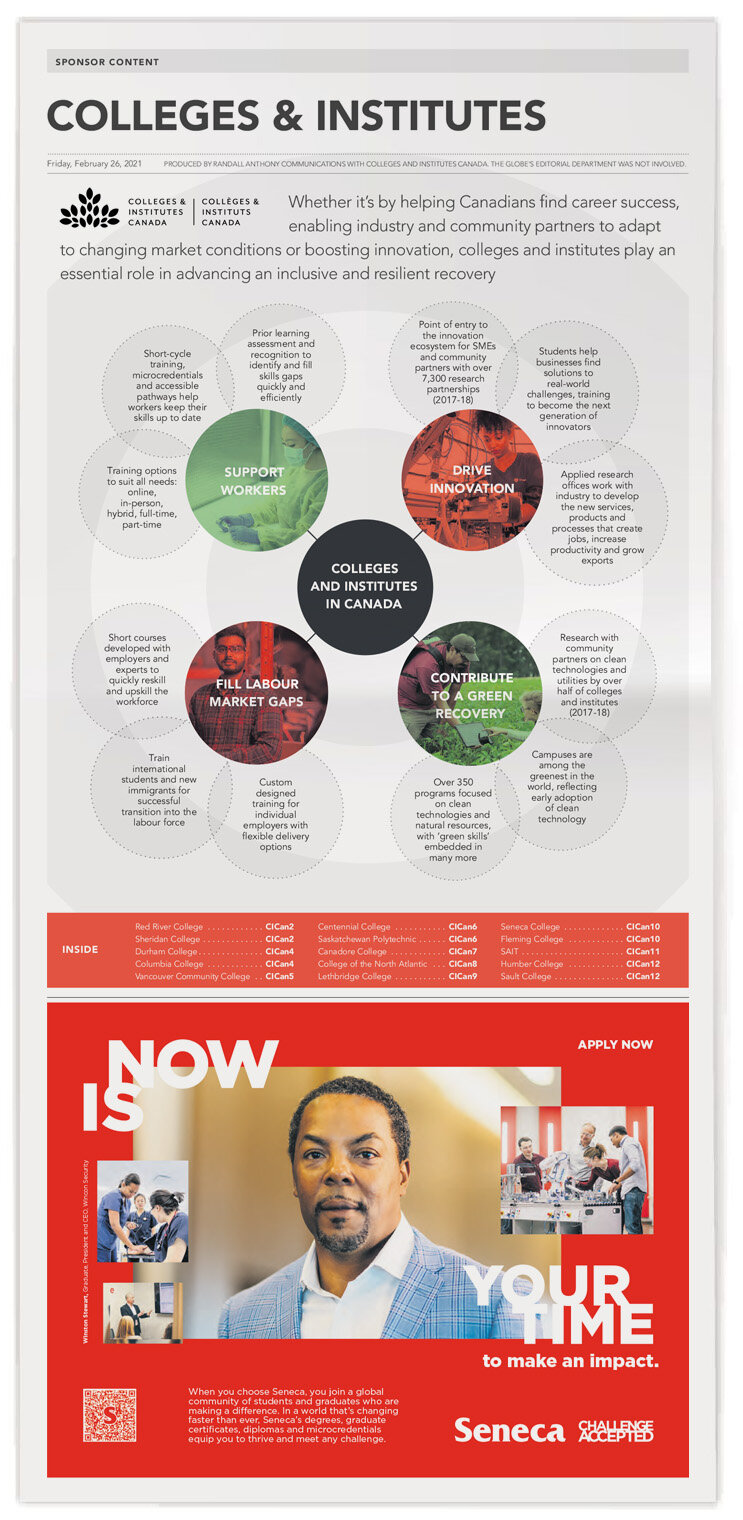
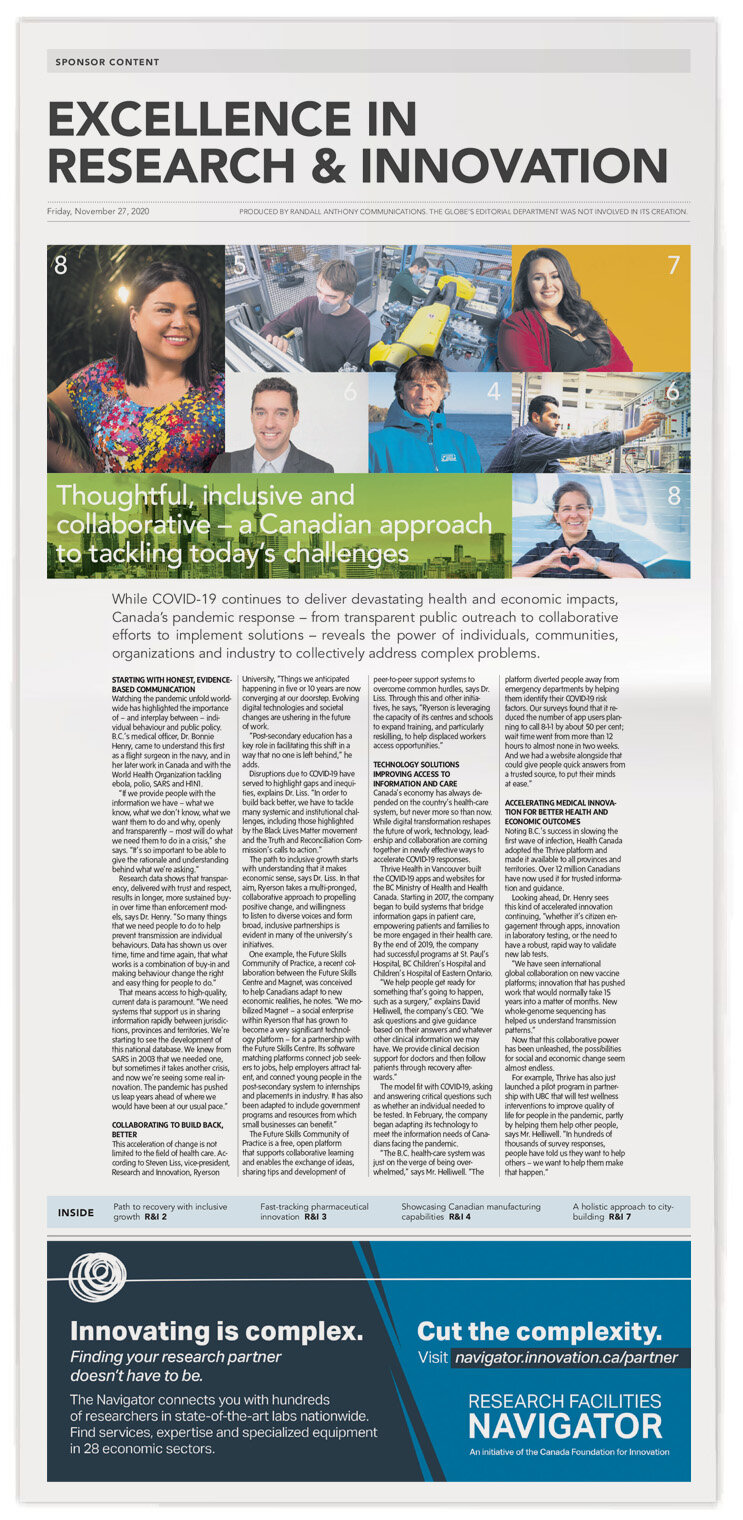
As Canada faces a number of significant challenges including economic uncertainty, post-secondary education plays a vital role in improving outcomes – and helping learners, industry, communities and society overall adapt to changing conditions.
As governments and industry move forward with a wave of new infrastructure projects, Canada is confronting a growing shortage of skilled trades workers. Alberta alone is short an estimated 22,000 workers, a figure that is expected to rise, says Rob Thompson, vice-president of manufacturing west at NOVA Chemicals.
Shaminder Singh Parmar can trace a direct line between his fulfilling career as a senior urban planner for Edmonton Public Schools and his MBA studies at the Thompson Rivers University (TRU) Bob Gaglardi School of Business and Economics.
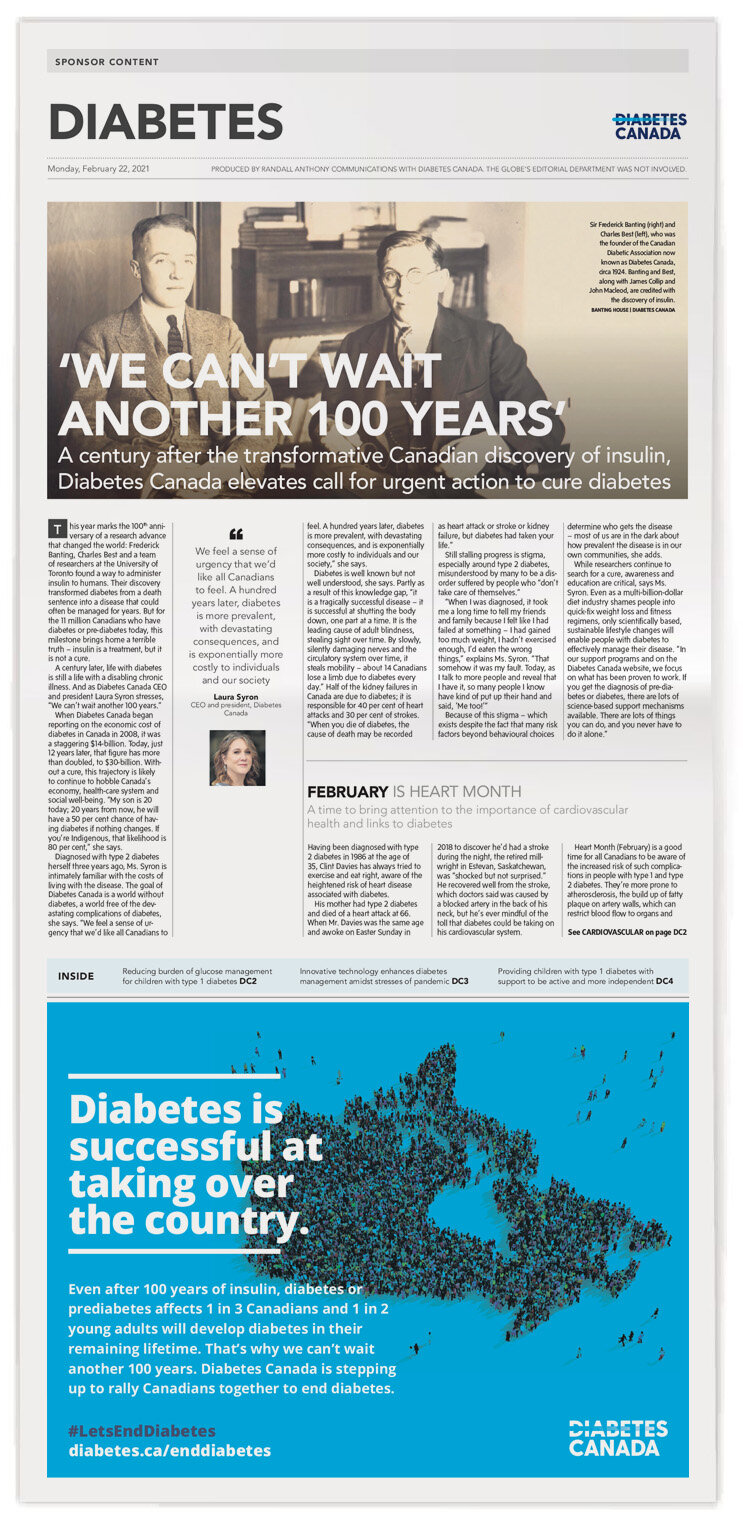
February is Heart Month. And the conversation about heart health isn’t just timely, it is urgent. After all, more than half of Canadians are personally impacted by heart disease or stroke, according to a 2024 Heart & Stroke poll.
The transition between grade 12 and first-year university can be challenging due to a long-recognized gap learners have to navigate on their journey to post-secondary success. The rapid rise of AI has further exacerbated this chasm: at a time when students can generate instant answers, the ability to reason, verify and refine their work with integrity has become all the more crucial.
A fun fact that I absolutely love sharing with folks I meet in my professional (and personal) life is that we at Diabetes Canada are the proud owners and caretakers of the Banting House National Historic Site in London, Ontario. The house belonged to Dr. Frederick Banting, and it’s the place where he woke up one stormy night in 1920 with a brilliant idea that ultimately led to the discovery of insulin.
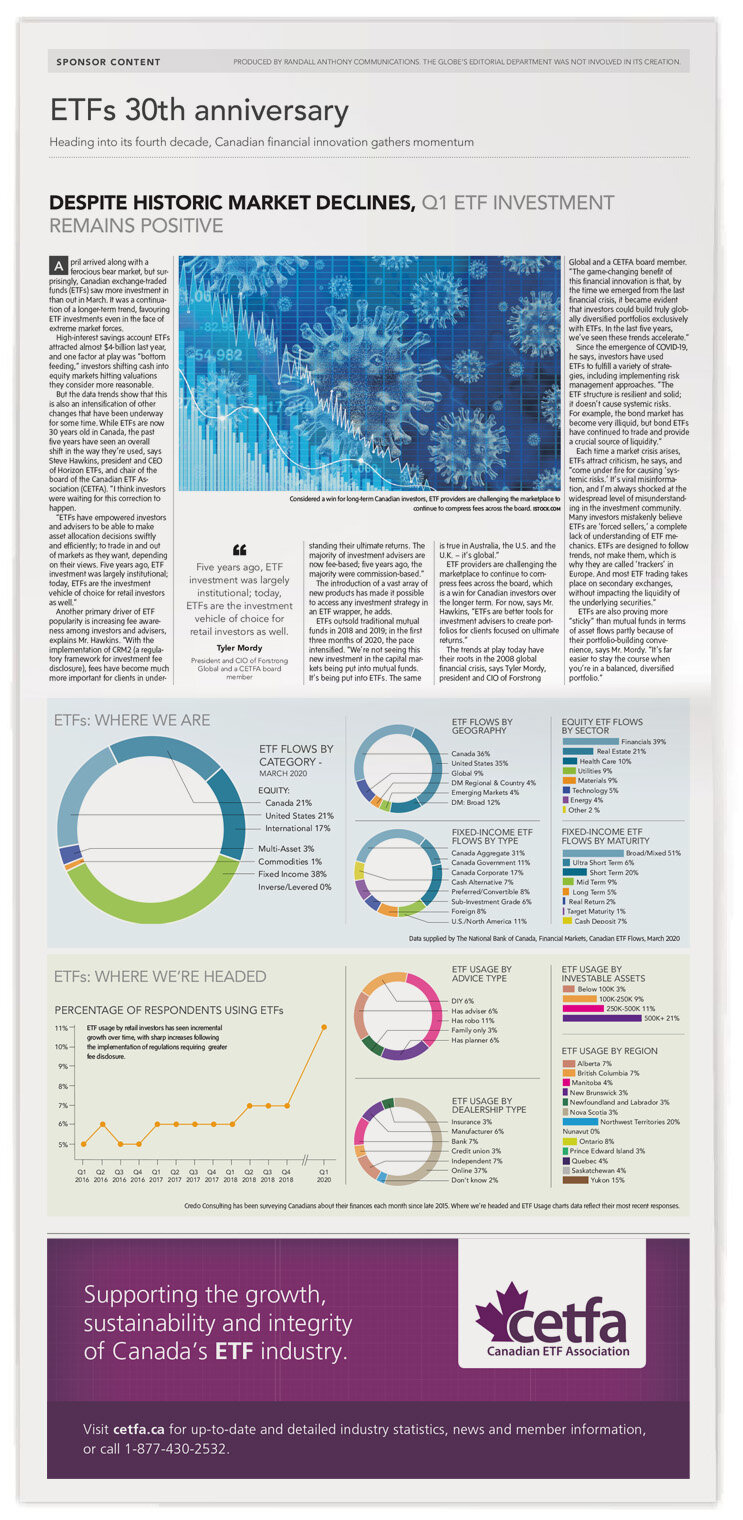
Canada’s wealth management landscape is undergoing a significant transformation, driven not only by market volatility but by a rapidly growing, sophisticated clientele: the incorporated professional and small business owner.
The Canadian government has initiated an ambitious program to rapidly rearm the Canadian Armed Forces (CAF) while trying to jumpstart a sluggish domestic economy. The centrepiece of the effort is the newly announced Defence Investment Agency (DIA). Modelled after the Housing Task Force, the DIA is designed to short-circuit the labyrinthine bureaucracy that has long plagued military procurement.
Amii turns breakthroughs into meaningful action, deploying responsible technology to benefit our health, environment and communities
“This looks absolutely fantastic. Yet another amazing job by Randall and team.”