
Canada’s energy transition needs a new playbook
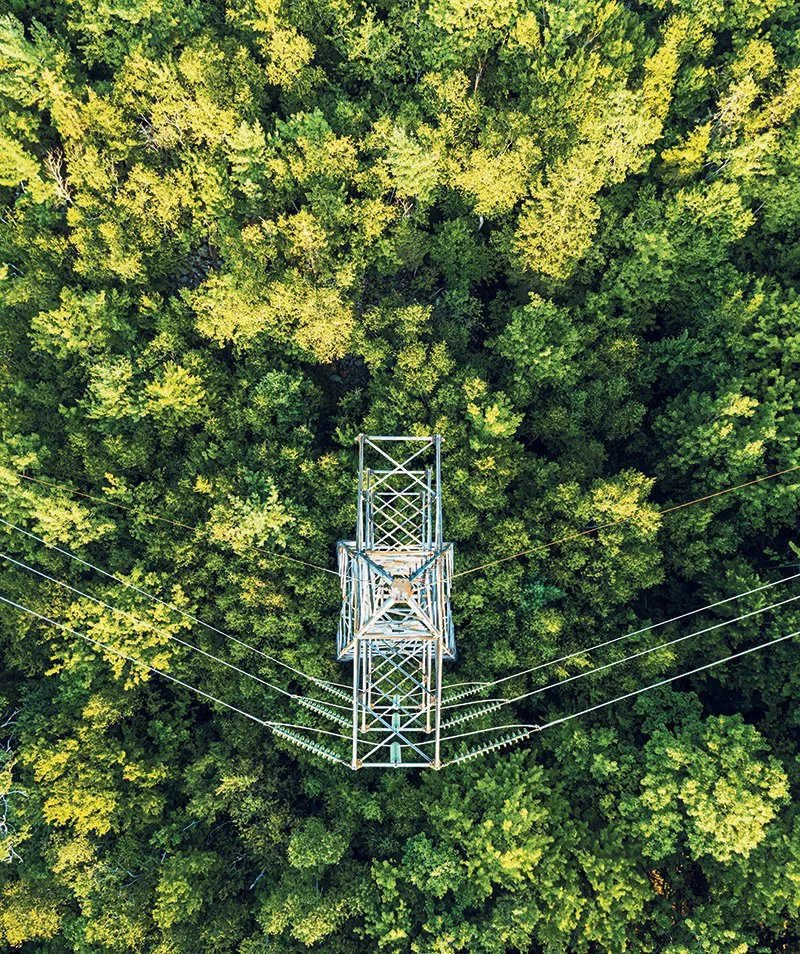
Public money focused on supporting a robust electric grid, heating for homes and buildings, and electrified transit speeds up a shift already underway, and the savings land in household budgets. shaunl; The Attico Studio; VukasS via getty images
For years, Canada has tackled the energy transition from the wrong angle. We’ve treated it as a pollution control problem: counting tonnes of greenhouse gases, identifying the largest emitters and opportunities for abatement, and reporting emissions against a target. It makes for a tidy ledger, but only trims emissions at the edges of a system still built to burn fossil fuels for decades.
That approach has cost Canada time and focus. Ottawa and the provinces fund a bit of everything: hydrogen, carbon capture, biofuels, efficiency rebates. Each program can be defended on its own, but without a strategy to tie them together, they scatter scarce capital across dozens of fronts, diluting impact instead of building on success.
The pollution control mindset has also fixed the country’s attention on its biggest emitter, oil and gas, where cutting emissions is expensive and the politics are bruising. That fight has consumed years of political and financial capital while getting us only marginally closer to the 2030 targets that we have never truly been on track to meet.
The old playbook was never going to deliver real transformation. You don’t create lasting change by putting all your resources into managing an old system. You do it by focusing on building anew.
The energy transition is more than an obligation to be managed. It is an opportunity to build a cleaner, more efficient and more competitive economy for all Canadians. And winning in this transition calls for a new approach that starts with a vision of the energy system we are trying to create – one that will be built largely around electricity – and works backwards to understand how to get there.
That is the central argument of Canada’s Opportunity Playbook, a new resource from The Transition Accelerator that works through 14 sectors covering roughly 90 per cent of Canada’s emissions, distinguishing the pathways that can get us to that future from those that cannot. Then it asks the question every budget eventually confronts: where should finite capital go first?
The answer is electricity, personal mobility and buildings. The grid must be a top priority because nearly everything plugs into it. Cars, transit and home heating come next because the technology is ready and, in many parts of the country, the household math already works. An electric vehicle often costs less to own than a gasoline car once fuel and maintenance savings are counted. Heat pumps make financial sense for many families heating with oil, propane or electric baseboard, and electrified transit gives commuters without a car a cheaper way around. Public money here speeds up a shift already underway, and the savings land in household budgets.
This trifecta is the foundation for the rest of the economy. Aluminum, steel, cement, mining, hydrogen, heavy trucks and alternative fuels come next, and nearly all will rely on the same expanded grid. Pilots, infrastructure and purchasing commitments made before 2030 will decide Canada’s position in the decades to come.
Oil and gas, agriculture and chemicals sit further out. They have work to do today, from plugging methane leaks to cutting fertilizer emissions, but none of these sectors anchor the wider transformation. Some, like agriculture, need complex and tailored approaches that cannot be rushed.
Putting things in order also means calling out dead ends. Take ethanol. A standard 10 per cent blend cuts a tank’s emissions by roughly 5 per cent. That simply cannot scale. The fuel cannot travel through existing pipelines. It competes with food crops for feedstock. It is exactly the kind of measure the old tonne-counting ledger rewards, and for passenger vehicles it is a dead end. Every dollar spent extending its role in cars is a dollar unavailable for the chargers and transmission lines that EVs need. Canada’s biomass would be more useful in sustainable aviation fuel, where batteries are not a practical option.
The old playbook has had a long run. It has delivered incremental cuts, scattered spending and a real risk that Canada arrives late to a clean economy built somewhere else. It is time to change course. Pour the foundation first: a bigger, cleaner grid, electric cars and transit, heat pumps in homes. Commit early to the industries that will rely on a clean economy, and say plainly which pathways lead nowhere. Then hold that course longer than an election cycle. The countries moving fastest are committing first and building certainty as they go. Canada must do the same.
To view this report on The Globe's website, visit globeandmail.com
To view the full report as it appeared in The Globe's print edition Building a stronger Canada