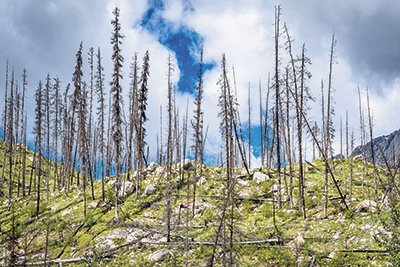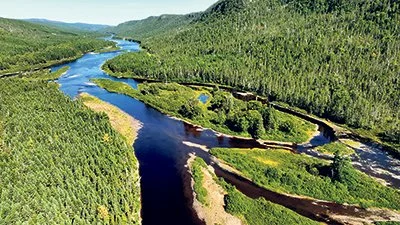
The recipe for wildfire – which applies everywhere on Earth – requires three ingredients: vegetation (fuel), ignition and conducive fire weather. While all three are subject to change, trends in extreme fire weather cause particular alarm. In Canada, the average area burnt annually by wildfires has quadrupled since the 1970s. In the past three years alone, almost 8 per cent of the country’s forests have burned.
Read MoreUniversity of Saskatchewan advancing ‘package of solutions’ for farmers and food security
Wheat – a vital food crop that feeds billions of people worldwide – plays an important role in food security. Estimates place global wheat production at nearly 800 million tonnes this year, volumes that can be achieved, in large part, due to targeted breeding of high-yielding cultivars.
Read MoreThe Carney government has set ambitions for Canada to build the strongest economy in the G7 and to make mineral development and production a key driver of growth, positioning the country as a strategic supplier to allies. Industry groups say those goals depend on a robust exploration sector, where access to investment remains a persistent hurdle.
Read MorePressure on the health-care system – from factors including workforce shortages, rising costs and an aging population – is widely recognized among Canada’s most pressing and complex challenges.
Read MoreAt a time when Canadian governments are implementing measures to strengthen the nation’s economy in an uncertain world, stakeholders in the organic agricultural sector are calling for concerted action to unlock the full potential of organic agriculture.
Read MoreHierochloe, the Latin name for sweetgrass, literally translates as sacred (hieros) and grass (chloe), reflecting the species’ cultural significance for the many Indigenous Peoples on whose traditional territories it once grew in abundance.
Read More