
Upstream thinking: Protecting the land that protects our waters
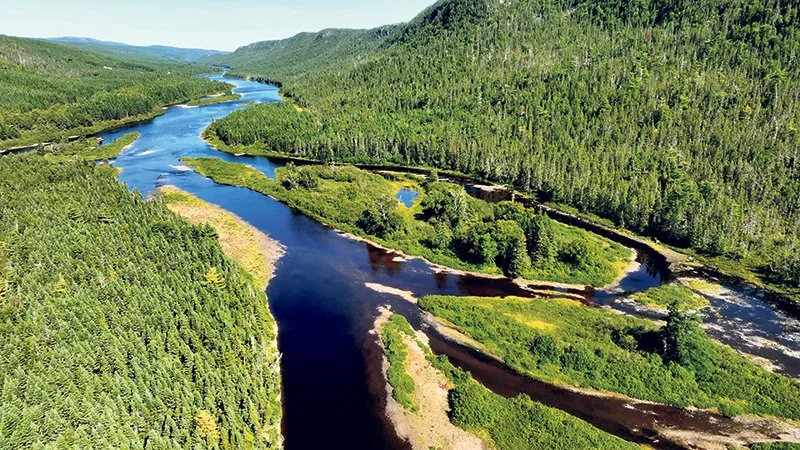
The Grasses Nature Reserve, Nfld. NCC
When the City of Saint John, New Brunswick, was making plans to protect its drinking water, it did not start with rivers and lakes. It started with land. By working with the Nature Conservancy of Canada (NCC) to protect mature, intact forests, lake shorelines and wetlands, the city conserved watersheds that act as natural filters, reducing pressure on water treatment systems and safeguarding Saint John’s water supply for the long term.
The intricate relationship between land and water points to an often overlooked reality: the most effective way to protecat our water is to first protect the land.
“Nature itself provides us with an invaluable service by storing and filtering our water,” says Marie-Michèle Rousseau-Clair, chief conservation officer with NCC. “The landscapes we conserve are natural water systems that absorb rainfall, filter pollutants, maintain groundwater levels, and shield rivers and lakes from erosion and runoff.”
With more than two million lakes and countless rivers, Canada is home to seven per cent of Earth’s renewable fresh water. This is a generous endowment compared to most areas of the world, with Canada ranking among the top three countries with the largest share of this life-sustaining natural resource. But these systems face a growing threat.
“By conserving land, we are treating the cause, not just managing the symptoms, of the intensifying pressures on our precious water resources,” Ms. Rousseau-Clair explains. “Ensuring the future of people, communities and wildlife depends on concrete action that considers the intricate relationships between critical ecosystems.”
With the support of donors and partners, NCC has helped conserve 20 million hectares of natural landscapes, benefiting the wetlands, lakes, rivers and coastal shorelines that store and purify water.
In the midst of a growing water crisis, NCC has committed to conserve an additional one million hectares of land, including wetlands, riverbanks and shorelines, by 2030.
What is at risk for Canadians
When natural landscapes are lost or damaged, nature’s ability to retain, regulate and filter water is weakened. The result is that nature’s resilience is destabilized, putting wildlife, communities and economies at risk.
Much is at stake if conservation efforts are delayed. Close to 90 per cent of Canada’s drinking water is drawn from a river or lake, and one in three homes relies on groundwater sources for water.
“As threats to water ecosystems increase, more communities could face water quality issues, and more lives will be disrupted by damaging, dangerous and costly flooding and drought,” says Ms. Rousseau-Clair. “And many of the species cherished by Canadians will face endangerment or extinction.”
What protected land makes possible
NCC’s legacy of land conservation has yielded tangible benefits for many vital water ecosystems in Canada. Its record of accomplishment includes conservation of:
166,000 hectares of wetlands – double the size of Calgary and three times bigger than Toronto
6,500 kilometres of freshwater and saltwater shoreline – nearly the total length of the Trans-Canada Highway
61,600 kilometres of rivers and streams – longer than the circumference of the Earth
Wetlands are a defining feature of nature in Canada, functioning as working infrastructure and one of the country’s most underutilized economic assets. But Canada’s wetlands are declining; in southern Canada, 70 per cent of them have already been lost.
NCC has made it a priority to undertake wetland conservation projects in many parts of the country. Recent achievements including the conservation of a 90-hectare wetland and forest property on the east side of the Marlborough Wetland, an extensive Provincially Significant Wetland in Ottawa. The newly conserved area strengthens the natural infrastructure that helps lower flood risk for area communities, safeguards wildlife habitat and supports the quality of life for people in the Ottawa region. The project reinforces that when wetlands are conserved, public costs are reduced and communities are better protected.
As NCC embarks on an initiative to protect an additional one million hectares within the next four years, it is appealing to Canadians to be part of its mission. Support from donors and partners will help the organization take on and care for hundreds of projects that safeguard rivers, lakes, aquifers, watersheds and shorelines across the nation.
“Our experience has shown us that when land is protected and restored, water will flow,” says Ms. Rousseau-Clair. “Conserving land helps support all life-giving water sources, and the need for support is becoming increasingly urgent.”
Support for NCC will help achieve many key objectives, including:
Safeguarding Canada’s drinking water and groundwater sources, protecting our water sovereignty
Reducing storm damage and the impacts of extreme weather through protection of lands that provide natural flood and drought mitigation
Restoring shorelines, uplands and waterways to improve habitat for species and prevent erosion and runoff
“This is a moment for bold partners to help protect the natural systems that make life in Canada possible,” Ms. Rousseau-Clair says. “Every conserved hectare safeguards rivers, lakes, aquifers and watersheds that provide clean drinking water, economic opportunity, healthy spaces for species and places for recreation. It is a legacy worth protecting.”
To view this report on The Globe's website, visit globeandmail.com
To view the full report as it appeared in The Globe's print edition Water Security